


Custom machine integration is the process of designing and building automated systems specifically tailored to your production needs. In modern manufacturing, it’s how companies increase throughput, eliminate inefficiencies, and stay competitive without being limited by off-the-shelf solutions.
If you’re working in aerospace, medical device assembly, or high-mix production environments, a fully integrated, built-to-spec system designed by experienced custom machine builders can be the difference between lagging behind or leading your industry.
This guide answers the most common questions engineers, operations managers, and manufacturers ask when considering custom automation, and shows why it’s often the smartest investment you can make.
What Is Custom Machine Integration?
Custom machine integration means designing, engineering, and building machines from the ground up to fit a specific production process. Unlike generic equipment, these systems are custom-built to integrate seamlessly into your existing workflow, infrastructure, and business objectives.
This approach combines mechanical engineering, control systems, and robotic automation systems into one cohesive unit. Every machine is developed with precision to perform a defined task, or series of tasks, with high accuracy and repeatability.
Who Builds Custom Machines?
Custom machine builders specialize in developing equipment that solves unique production challenges. Companies like ONExia, a leading custom automation company, provide full-service solutions, from initial design and prototyping to final system integration and support.
These machines are often used in highly regulated or complex industries where no off-the-shelf solution exists, or where process control is critical.
Why Do Manufacturers Choose Custom Over Standard Machines?
Manufacturers choose custom machine development when standard equipment can’t meet specific performance, compliance, or integration needs.
Key Benefits of Custom Integration:
- Designed to spec: Built exactly for your part, process, and production rate
- System compatibility: Fits seamlessly with your existing conveyors, robots, and ERP/MES
- Reduced operator error: Intuitive design with built-in automation intelligence
- Better ROI over time: Higher efficiency, less downtime, lower maintenance
- Flexibility for future updates: Designed to adapt as your needs change
If you’ve ever had to “make do” with a system not designed for your operation, you already understand the hidden costs of non-custom equipment.
How Does the Custom Machine Development Process Work?
Creating a custom machine is a collaborative engineering process. Here’s what you can expect when working with a custom automation company like ONExia:
- Project discovery: Define the problem, process, and goals
- Concept development: CAD models, simulations, and risk assessments
- Engineering: Full mechanical, electrical, and control design
- Fabrication & build: In-house assembly and system integration
- Testing & validation: Factory acceptance testing (FAT) before delivery
- Installation & support: On-site commissioning and operator training
Throughout, you’ll work with a dedicated team skilled in robotics build services, controls engineering, and robotic design services.
What Role Do Robotics Play in Custom Integration?
Robotics are often the centerpiece of a modern custom machine. Whether it’s a simple pick-and-place operation or a complex vision-guided assembly, robotic machines increase speed, precision, and consistency.
Medical device assembly robotics is a prime example. These applications require micron-level accuracy and complete process traceability. A custom machine integrated with robotic automation systems ensures compliance, repeatability, and minimal human error.
Robots are also reprogrammable, allowing fast changeovers and adaptation to new product lines.
When Should You Consider Custom Machine Integration?
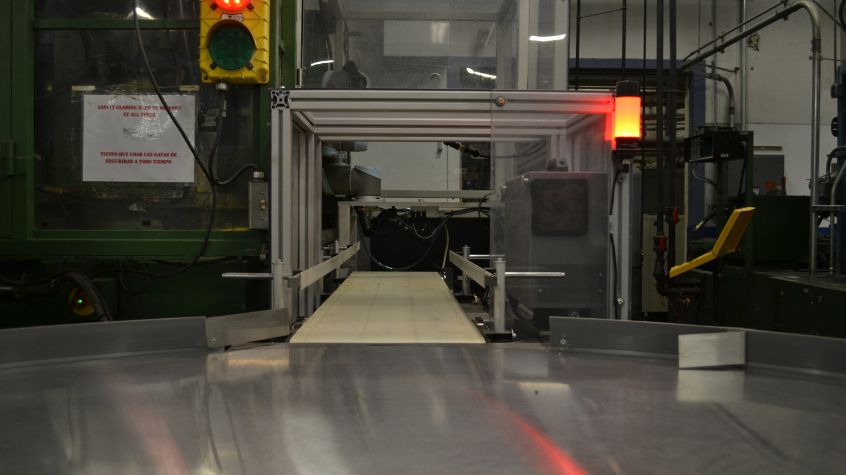
Here are clear signs it’s time to explore custom machine development:
- You’re scaling production but can’t meet demand with manual labor
- Your operators are modifying machines daily to make them “work”
- You need high precision and low variability
- You require integration with legacy or proprietary systems
- Your current setup results in excess scrap or rework
If any of these sound familiar, custom automation can dramatically reduce waste and increase consistency.
What Industries Use Custom Machines?
Custom machines are critical in high-performance industries such as:
- Aerospace – for assembling and inspecting lightweight structural components
- Medical device assembly – for high-precision assembly, dispensing, and packaging
- Electronics – for PCB population and testing
- Consumer goods – for packaging, filling, and inspection
Each sector has unique standards, tolerances, and documentation requirements—making the flexibility of custom machinery manufacturers essential.
How Is ONExia Different from Other Custom Machine Builders?
As a trusted custom automation company, ONExia has decades of experience in designing robotic machines that meet strict industry requirements. From modular systems to fully integrated production cells, the ONExia team handles everything in-house—from concept to support.
We’ve used advanced motion control technology to Power Custom Machines.
Whether you’re building a cleanroom-grade medical system or automating a rugged aerospace process, we build machines to spec, and we build them to last.
What Are the Latest Trends in Robotic Automation?
The International Federation of Robotics outlines major trends shaping the future of robotics:
- AI-enabled robotics for smarter task execution
- Human-robot collaboration (cobots) for flexible workflows
- Sustainable automation with energy-efficient design
- Digital twins for simulating and optimizing production
- Predictive maintenance to reduce unplanned downtime
These trends are shaping the way custom machine builders design next-generation systems. Companies adopting these technologies today are positioning themselves for long-term success in tomorrow’s competitive landscape.
How Can You Get Started?
If you’re exploring automation, you don’t have to do it alone. The first step is identifying where automation can bring the most value—whether that’s reducing labor, improving consistency, or increasing speed.
ONExia offers expert robotics build services, mechanical engineering, and electrical integration under one roof. Contact us to discuss your project and start building a custom solution that works for you.